

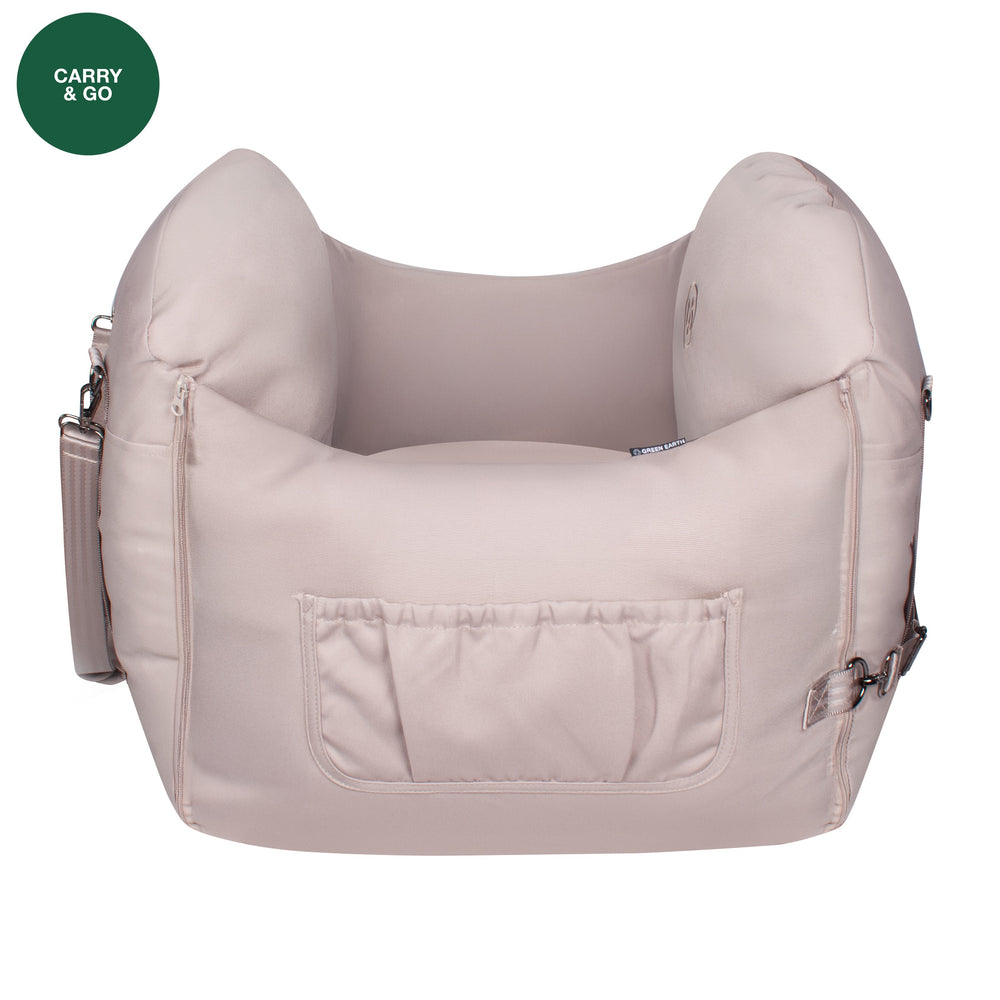


A vet visit includes several small journeys: out of the house, into the car, across the car park and through the clinic door. Thinking through those transitions beforehand can make appointment day feel less hurried.
A familiar carrier may be useful for a suitable pet, but start with the clinic’s advice about transport and handling. An unwell, injured or recovering animal may need a different arrangement.
Call ahead about the arrival
Ask the clinic where to park, how to enter and whether you can wait somewhere quieter if the reception area is busy. Mention the size of your stroller or carrier if you plan to bring it inside, so the team can explain the available space.
If the visit concerns pain, surgery or restricted movement, ask exactly how your pet should be moved. Do not assume that keeping them in a carrier makes every transfer appropriate. For an urgent problem, follow the clinic’s immediate instructions rather than delaying to organise equipment.
Make the carrier part of home life
Before a routine appointment, give your pet opportunities to explore a suitable carrier in a calm setting. Let it become familiar while it stays still, with short, positive sessions at their pace. Avoid making the first encounter a rushed departure.
Check the closures, carrying points and attachment mechanism using the instructions for that model. Practise with the carrier empty before adding your pet. If it detaches from a frame, learn how to confirm that it is securely reattached; do not rely on appearance alone.
Choose for the transfer you need
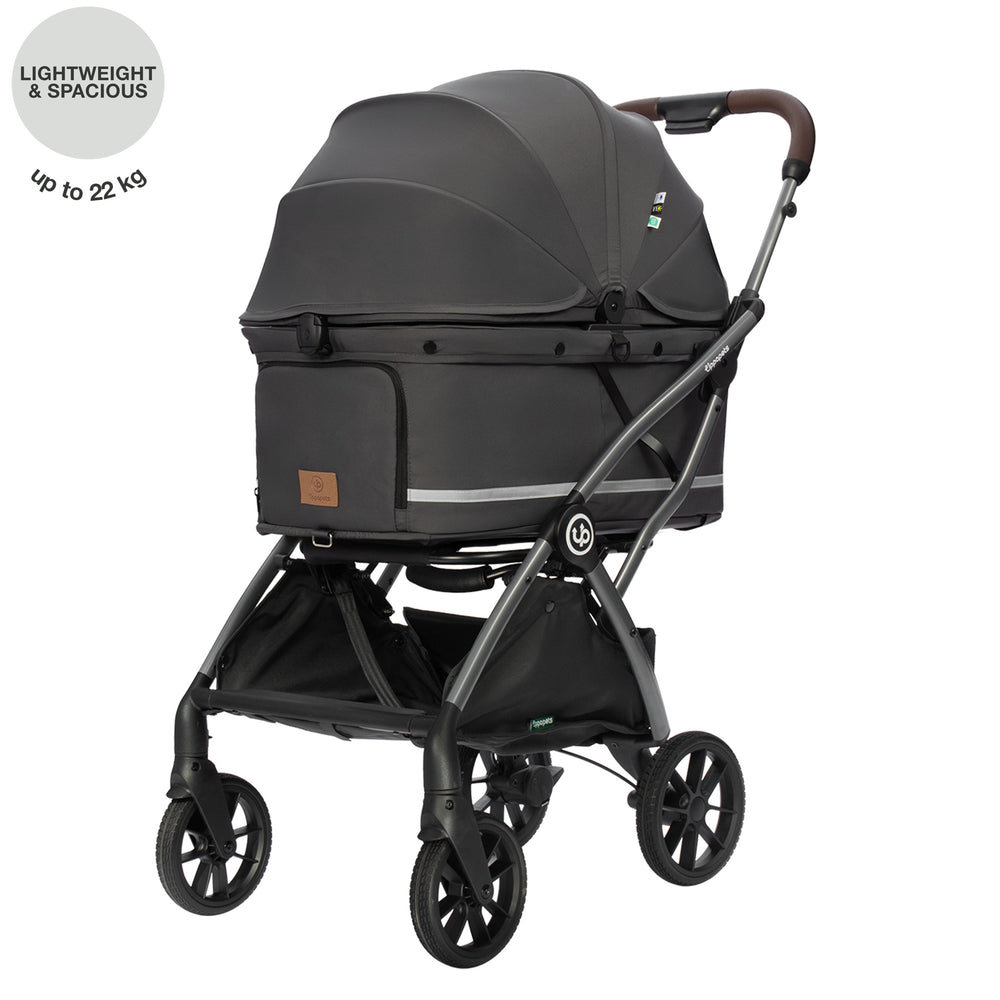
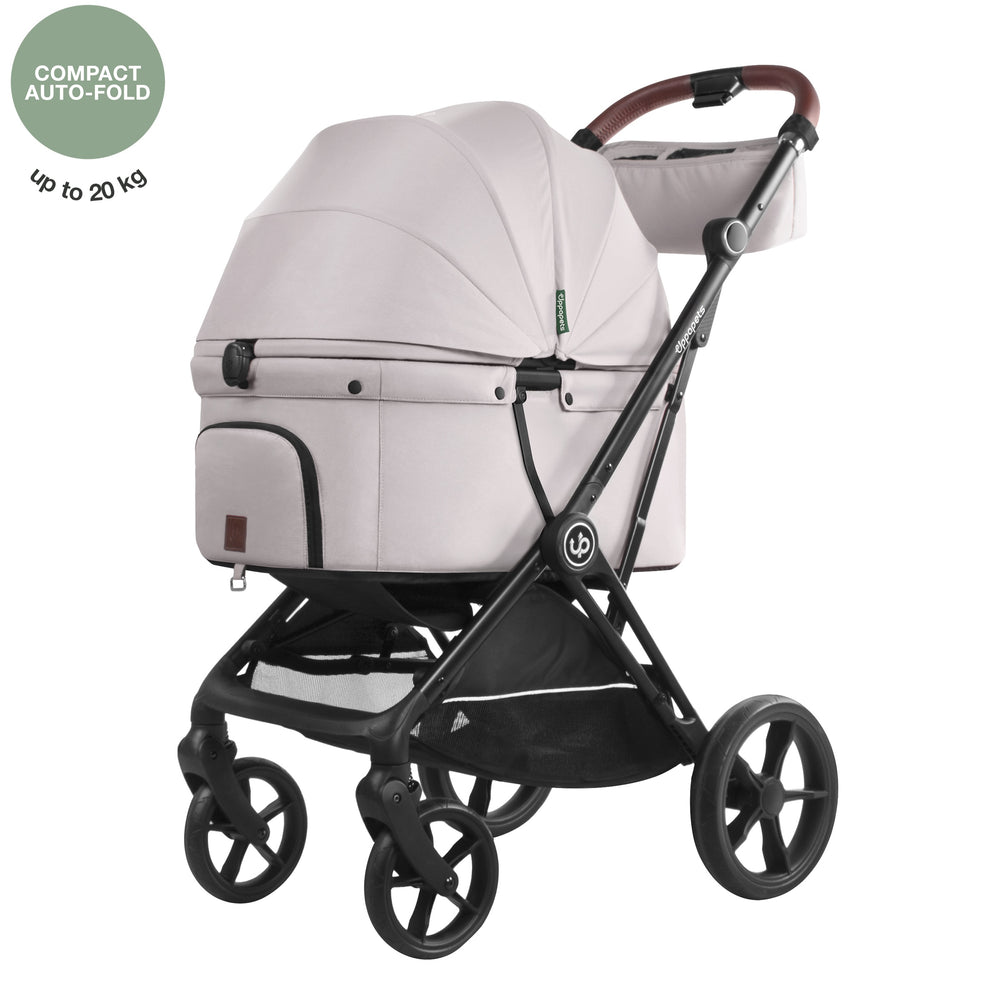
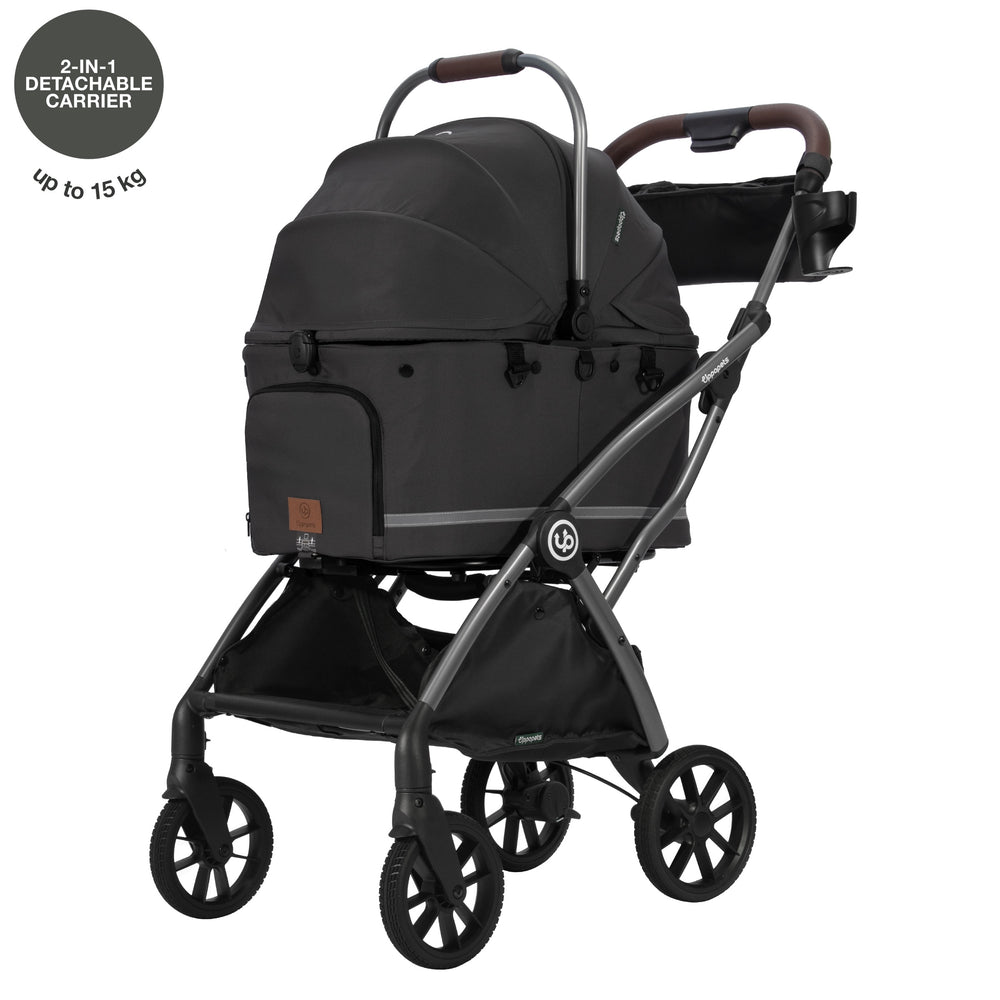
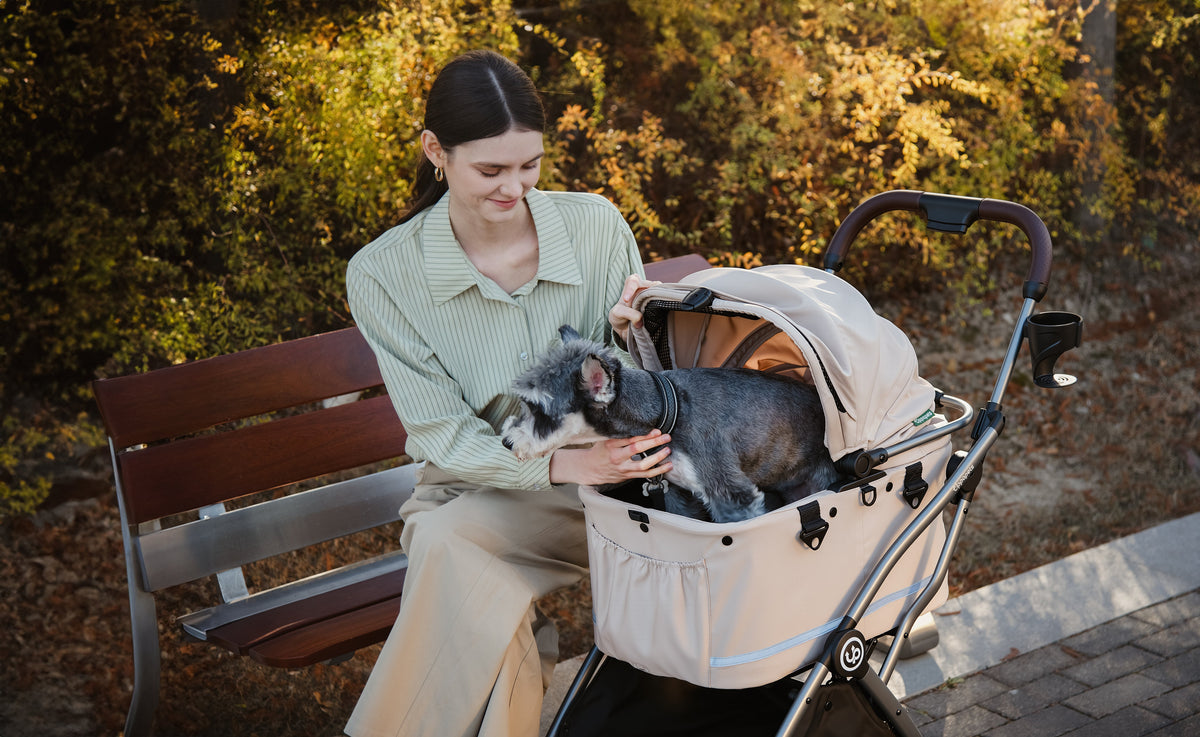
Flander has a detachable 2-in-1 carrier, while Hybrid has a fixed carrier and Nero Plus an integrated cabin. Those differences matter if you want a separate carrier for part of the visit. Flander’s maximum pet weight is 15 kg, and its listed carrier dimensions are 52 × 34 × 24 cm.
Confirm your pet’s usable space and the permitted way to lift an occupied carrier before relying on it for the appointment. Consider the total weight you will handle, including your pet. Ask for help if the lift is awkward or your pet needs support.
Plan the car journey separately
A detachable carrier is not automatically a crash-tested car seat. Use a vehicle travel arrangement intended for that purpose, following its own fitting instructions. Ask the clinic for guidance if your pet’s condition makes ordinary transport difficult.
Keep your appointment notes and any requested records easy to reach. Arrive with enough time to settle, while allowing the clinic to guide you through the final transfer. Once you know the route and the routine, the next visit has fewer details to solve at the door.
Explore Uppapets